

NATO Approval Sets a New Benchmark for Mobile Security in Critical Infrastructure
Apple recently announced that the iPhone is the first consumer device approved for use with classified information in NATO restricted environments. The approval is based entirely on the device's native hardware and iOS security architecture.

Engineers working in hazardous areas need access to 3D digital twins, control-of-work systems, and real-time communication. At the same time, IT departments must protect sensitive facility data and defend enterprise networks against increasingly advanced threats.
Historically, using Ex-certified smartphones in explosive environments meant accepting weaker digital foundations. Many industrial devices rely on outdated operating systems and short support lifecycles. Security patches arrive slowly. Enterprise management is limited. Over time, this creates risk inside critical infrastructure.
Apple's NATO approval changes the baseline. It confirms that the security architecture inside an iPhone meets stringent government-level requirements for handling classified information.
Xshielder builds on that foundation. We secure an iPhone, such as the iPhone 17 Pro Max, inside a patented ATEX and IECEx Zone 1 certified cover.
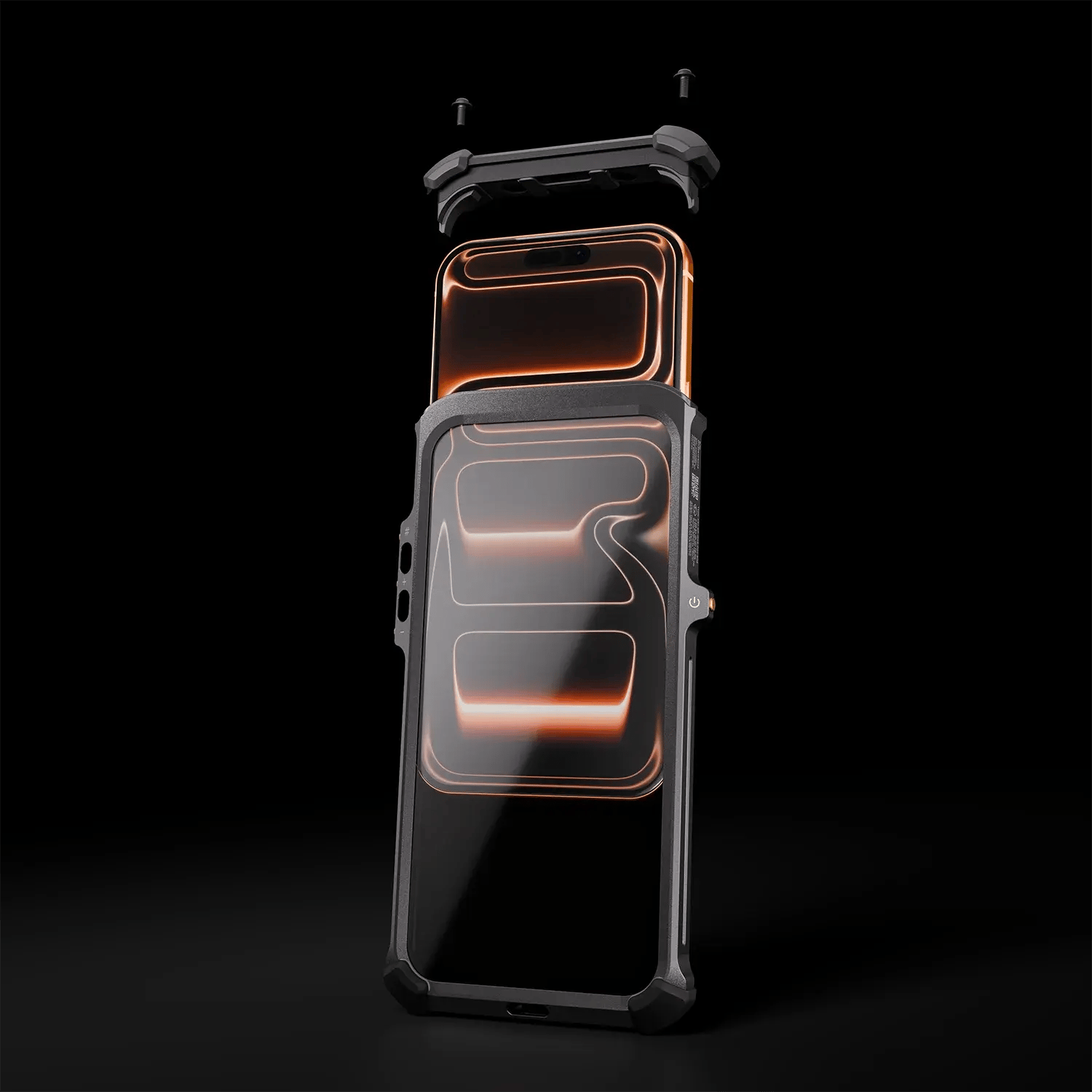
For enterprise IT, deployment of Xshielder covers with iPhones is straightforward. Operators such as Aker BP integrate Xshielder devices using Microsoft Intune. Policies are enforced centrally. Configurations follow established standards. Security remains consistent across the organization. The devices also receive regular iOS security updates for up to six years. That ensures long-term protection against emerging threats without forcing frequent hardware replacement.
The result is a single standard across both domains. In Zone 1 areas, technicians use the same iPhone platform that has been cleared for handling NATO restricted information. That clearance is grounded in Apple's best-in-class encryption, biometric authentication with Face ID, and Memory Integrity Enforcement.
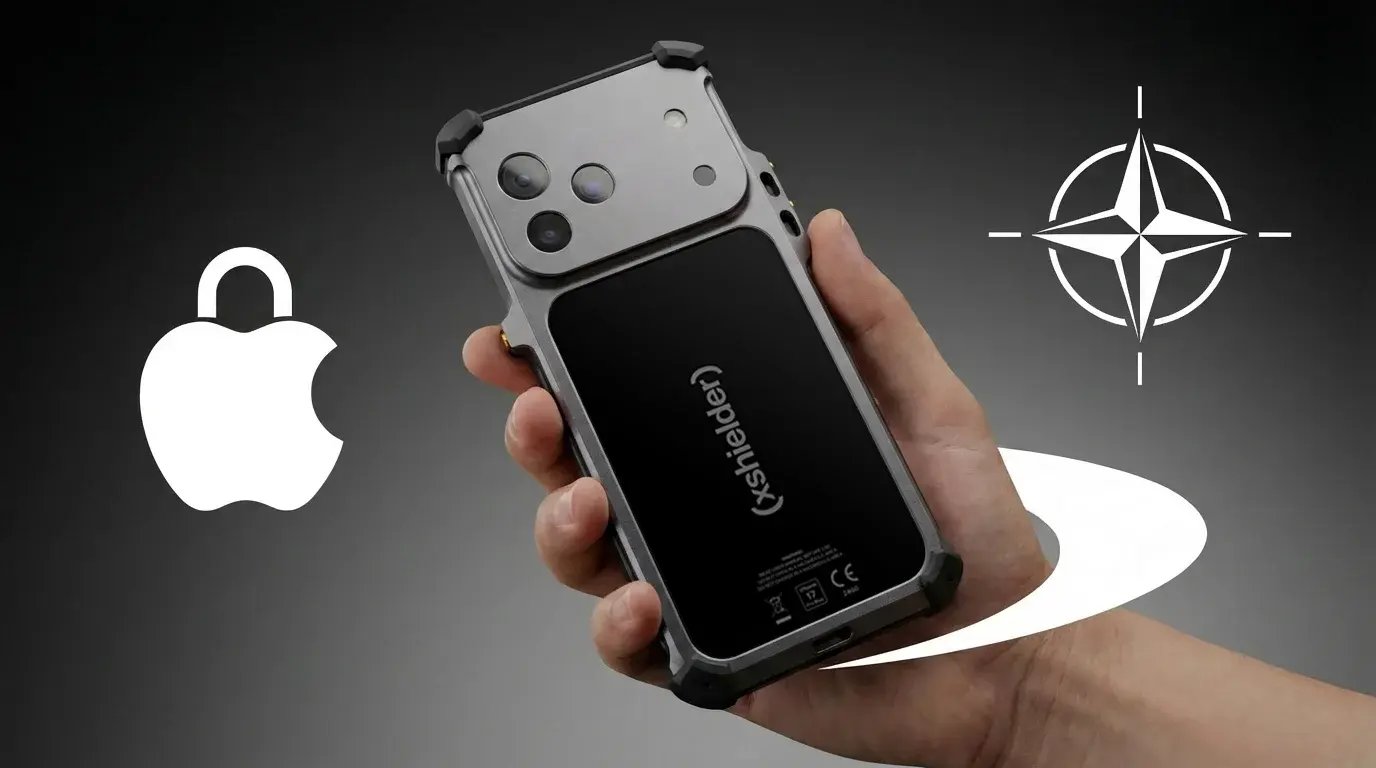
For the organization, this means hazardous area mobility no longer depends on niche hardware platforms with separate security roadmaps. The devices run a globally deployed architecture that undergoes continuous scrutiny and receives regular security updates over many years.
Read more about the Xshielder iPhone 17 Pro Max here